© Tuala Hjarnø

»Mit forhold til musik er dybt passioneret. Ud over at spille og arbejde med mange genrer skriver jeg også om musik – for tiden mest i Gaffa og på min egen blog på www.vaering.com. Jeg anmelder især koncerter, fordi jeg elsker at gå til koncerter og mærke både musikken og dem, der spiller den. Jeg har også en podcast, Værings Musiklytteri, hvor jeg med skiftende musik-nørdede gæster dykker ned i forskellige temaer.

Jeg plejer at sige, at jeg lytter til alt fra post-punk til country. Én rød tråd er dog nogenlunde konstant, nemlig at jeg er mest optaget af de mere håndspillede genrer. Der er undtagelser fra den regel, men som regel gider jeg ikke rigtig musik, der – som jeg kalder det – er undfanget i en petriskål.  Det organiske, det taktile, betyder meget for min oplevelse af musik. Jeg vil have levende mennesker, der river i nogle strenge, slår på noget skind og fortæller mig en historie der ligger dem på sinde. Jeg tager også gerne mine vokaler rørende, inderlige eller ligefrem uregerlige, og så vil jeg gerne have tekster med både vid og bid. Hver gang jeg har sat mig ned for at lave denne liste, er jeg gået i stå, fordi det blev for stort at udvælge fem sange til verden. Nu har jeg bestemt mig for at lægge til føje lige nu til opgaveformuleringen. Her er således fem sange/kunstnere, som jeg har lyttet til i netop denne uge – dvs. sange, der er udkommet inden for de seneste to-tre uger, altså mellem 17. januar og 7. februar 2025. Havde I fanget mig i næste uge, havde det været noget andet.«

Trinelise Væring (1965) er en dansk singer-songwriter, tekstforfatter, guitarist og bandleder. Væring debuterede på den skandinaviske jazzscene i 1992. I løbet af sin karriere har hun udforsket flere genrer gennem samarbejder, bl.a. med det norske ensemble Barokksolisterne, som bandleder for indie-jazzbandet Offpiste Gurus og senest for folk/roots-fusionsbandet Tone of Voice Orchestra. På album og turnéer har hun spillet med navne som Alex Riel, Carsten Dahl og Bobo Stenson. I januar udgav Væring sit ottende soloalbum med titlen A Songwriter’s Odyssey.
In briefrelease
16.10

A Microphone In the Nervous System

IKI: »BODY«
© Julie Montauk
© Julie Montauk

It sounds as if someone has placed a microphone directly inside the nervous system’s electrical impulses. The Nordic electroacoustic vocal ensemble IKI explores the boundaries between body and technology on their fifth, self-produced album BODY, where the five singers’ bodies merge into one large, organic rhythm box.

The tracks change form as the body breathes, dances, awakens, runs, wanders – in the imperative mood. The harmonically unison ripple of »Float« is countered by flickering modem-like sounds in »Regenerate«. Everything is framed by the recurring theme »Circuit«, which ultimately gathers the fragments into a single linguistic statement: »Are you gone when your body is not breathing?«

BODY demands concentration. IKI claims that all sounds on the album are created with the voice – a counterpoint to the electrically manipulated, a kind of reversed version of synthesizer sounds that imitate the human voice. It’s an incomprehensible mystery one keeps listening for: how can the voice produce the accordion-like sound on »Breath«, panned all the way to the left and slowly taking over the entire soundscape? Of course, it can’t do so on its own. The recording itself is an electronic mediation. The technological tools act as a microscope for vocal expression. It’s powerful because it asks about the transitions between human and machine, between life and afterlife. Yet the premise holds a paradox that never fully resolves.

English translation: Andreo Michaelo Mielczarek

Bjarke Niemann. © Frederik Barasinski

»Music is everything that can only be described far more poorly with words.«

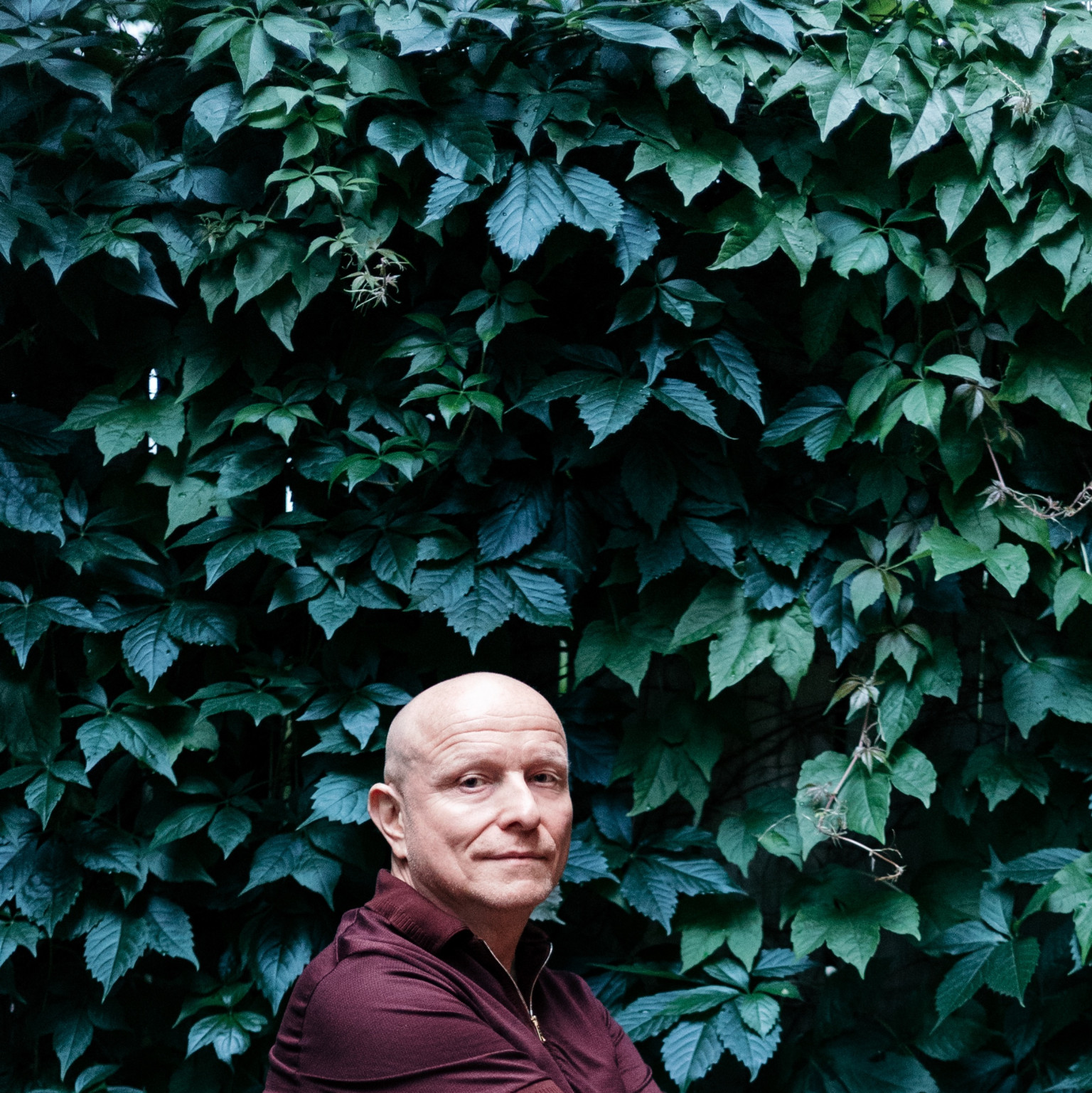
Bjarke Niemann is the lead singer, songwriter, and producer of the Danish band Spleen United. The group broke through with Godspeed Into The Mainstream in 2005 and has performed at, among other places, Roskilde Festival and the Copenhagen Opera House. Bjarke Niemann has also composed and developed music for TV and video games – including the international game series Hitman – and has produced albums with artists such as Soleima, Statisk, Afskum, and Hugorm.

© Motis Necrojam

»Music is the pursuit of original failure...« 

Motis Necrojam is the singer and collager with the Noseflutes and The Clicking Stick, a pair of combos from the old English Birmingham times, adorned with new-times dedication to derailment, approved by Sir John Peel, via their four live sessions for his mighty BBC Radio programme, occasional treaders of the boards, musicians with alias obsessions. One thing Necrojam has is a digit on the diminishing pulse. 

Katrine Muff. © Ditte Capion

»Music, to me, is the key to – and an extension of – my vocabulary. If I struggle to put ‘spoken words’ to something inside, or if I need release in the form of a proper cry, the right song can put me in the right gear immediately. It can be the lyrics, the melody, or both that give direct access to my emotions, where the brain can simply be put into neutral and carried away.«

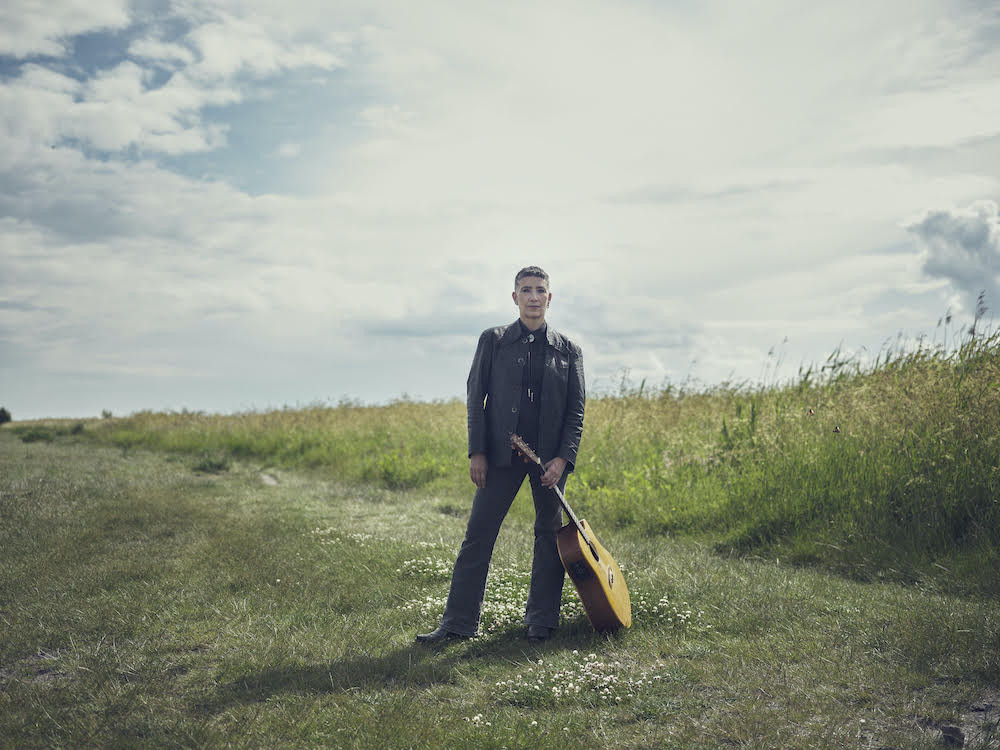
Katrine Muff, born in 1985, is a composer and singer. She has set music to texts by, among others, Stine Pilgaard and Suzanne Brøgger, and in 2021 she received the Folk Song Prize (Den Folkelige Sangs Pris). Together with Lone Hørslev, she is currently releasing the album Jeg ønsker mig and working as a songwriter on the theatre concert STOLT (Folketeateret).

In brieflive
04.10

Soap Horse Kept a Tight Rein – Maybe Too Tight

Soap Horse + K Bech
Soap Horse. © Malthe Folke Ivarsson

K Bech – known from the rock band Shiny Darkly – opened Saturday night’s concert at Alice with a raw, unpolished melancholy. A sense of Copenhagen-style urban gloom was palpable, yet the slightly nervous set never really took off. Despite a promising setup of violin, guitar, and electronic tracks, the sensitive lyrics remained more hints than breakthroughs.

Soap Horse then took the stage and truly ignited the evening with an authentic chicken-picking riff. The country-rooted guitar technique was just one example of the musical abundance running through the band, which has just released its debut EP Tooth Inside a Tooth.

Nothing seemed accidental. From the rust-red gothic tapestry to the carefully chosen instrumentation – violin, saxophone, and pedal steel alongside guitar, bass, and drums – every detail added to a deliberate aesthetic. The sound was dark and alluring, in sharp contrast to frontman Hans Gustav Björklund Moulvad’s shock of white hair and intense stage presence.

The songs were crafted with a refined sense of balance. Simple, repetitive motifs were passed between the instruments, and when massive noise walls and shimmering colors broke through, the already blurred borders of indie rock stretched even further. Moulvad commanded the whole with ease, moving charismatically between the music’s many layers. And yet, I found myself wishing Soap Horse would let go completely. The weightless intermezzos – where the unusual lineup could have truly unfolded – were too often pulled back by a steady drumbeat, returning the music to a safe ground. Soap Horse displayed remarkable control and a firm grasp of both their sonic universe and their audience. Perhaps all that’s left is to prove they dare to loosen their grip.

English translation: Andreo Michaelo Mielczarek