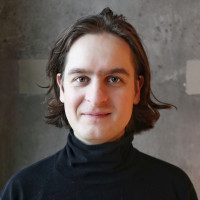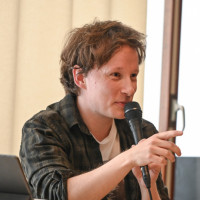
James Black
28








Jeg tog chancen og fulgte den tyske pianist Nikolaus von Bembergs DKDM-debutkoncert online, lokket af ikke blot et program med Messiaen-uddrag, men en uropførelse af pianistens eget projekt A Day in the Life og en gentagelse af Connor McLeans timelange Fragments (2020-22), som tidligere er opført på Minu Festival.
Og hvilket held: Koncerten understregede, at det københavnske musikliv i Bemberg har fostret en pianist, der ikke kun har styr på temperamenterne i Messiaen, men også har ambitiøse ideer, når det gælder iscenesættelse og medvirken i unge komponisters udsyrede frembringelser.
A Day in the Life begyndte som musikpædagogik. Skuespilleren Bless Amada fortalte begejstret om sin første klassiske koncert; denne musik var anderledes, gjorde ham bevidst om sig selv: »Jeg var den eneste sorte.« Bemberg spillede langsomme, spredte toner, men Amada sank ind i en kaotisk verden af sinustoner og stress. Hørte Jürg Frey på lp og læste Rilkes breve om ensomhed.
Det lignede et portræt af pianisten, og pludselig dukkede en krumrygget Bemberg op i en hjemmevideo, hvor han spillede skrøbeligt på et faldefærdigt pianette. Til sidst: video af et kystlandskab, lyden af fuglefløjt. Fred efter små tre kvarter. Lidt langt? Tjo. Men fint og personligt.
McLeans fragmenterede coronaværk var endnu længere – alt for langt, ja, ligesom pandemien – men komponistens monologer undervejs nåede desværre ikke ud til os onlinelyttere. Jeg noterede mig dog en parodi på nordisk krimi-tv med et mord på James Black og med Bemberg, der på flygel og Juno-60 spillede klynger og gysermotiver. Det var da værd at tage med.
Men værket gik på flere måder altså lost in translation på sin vej ud til mig, så det må blive til revanche, når McLean selv debuterer fra DKDM 12. juni.
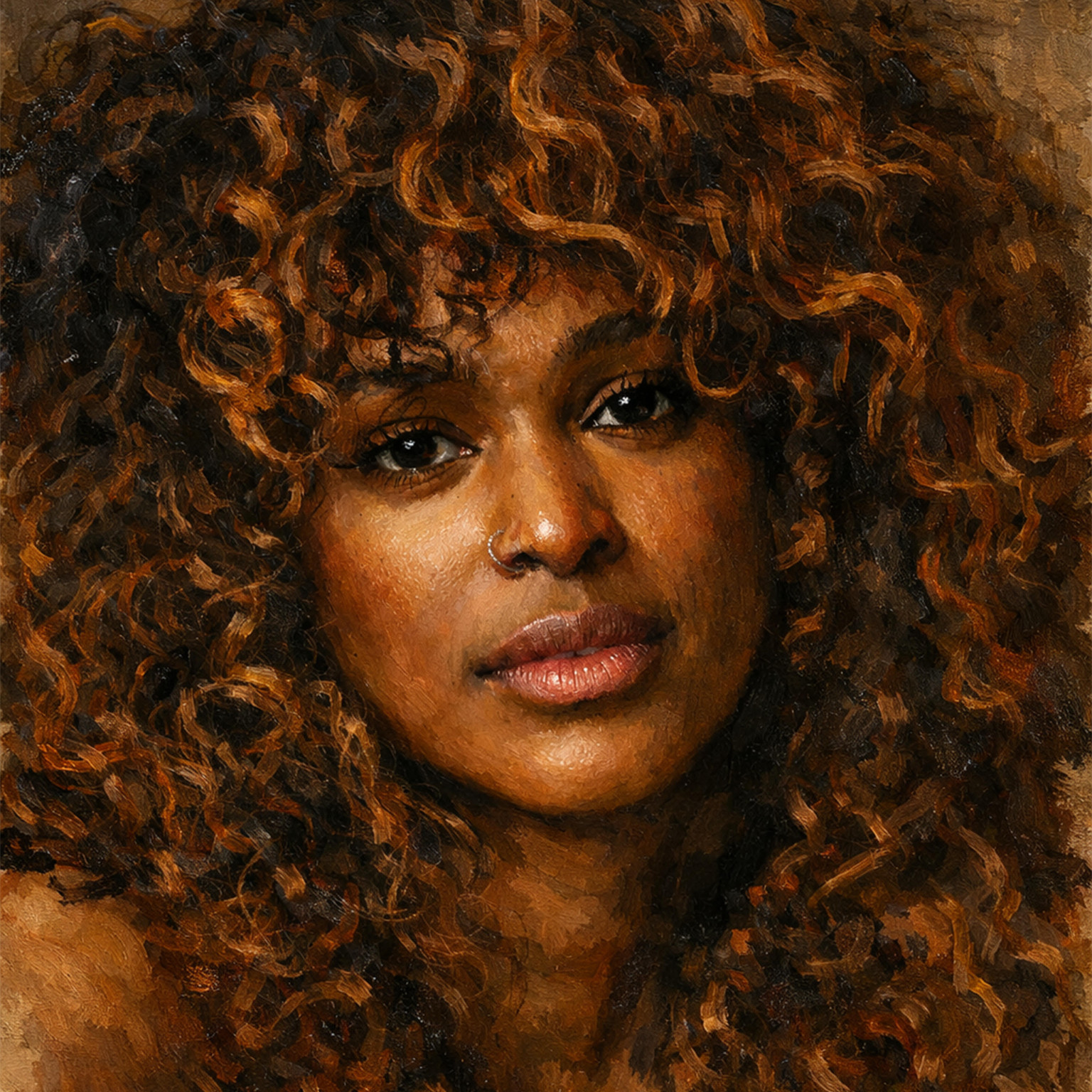
»Music for me is peace.«
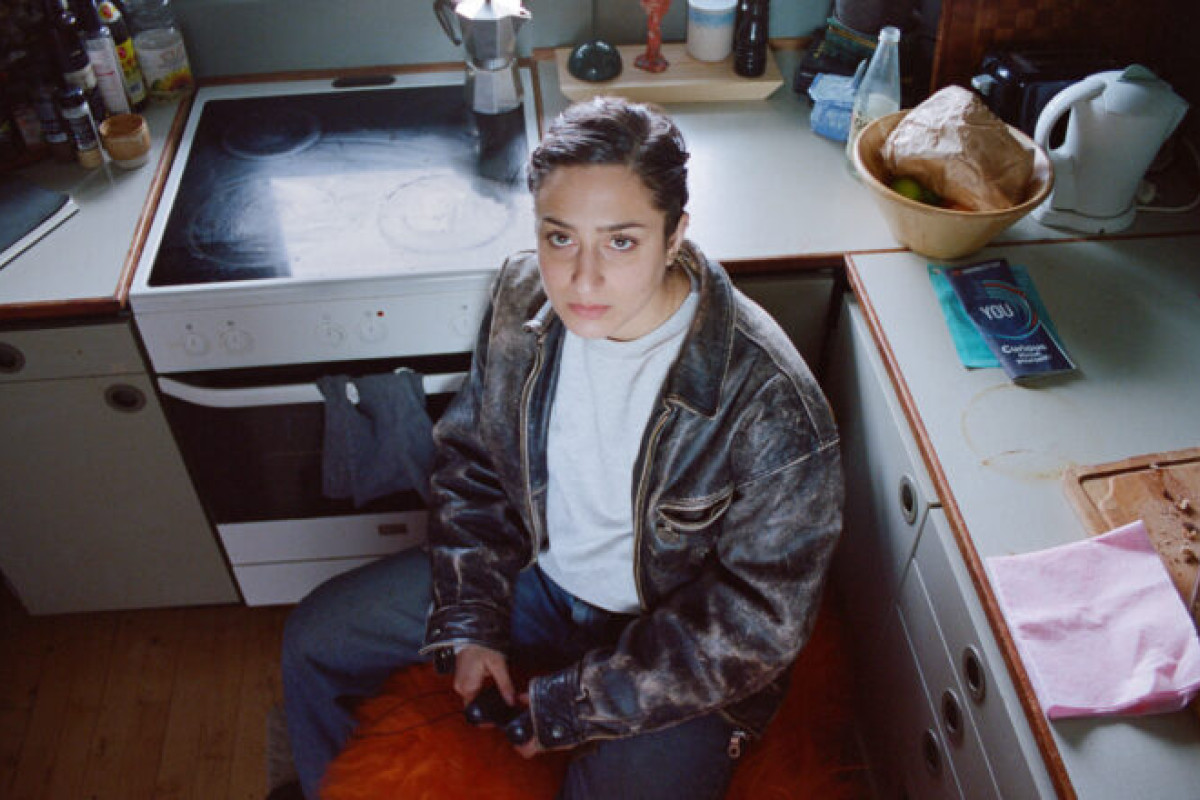
Iris Gold is a Danish singer. She was born in London but raised in Christiania. She made her recording debut in 2015 with the single »Goldmine« and has since released a number of singles. Her debut album Planet Cool was released in 2019. She has just released the album Sugar on My Lips.
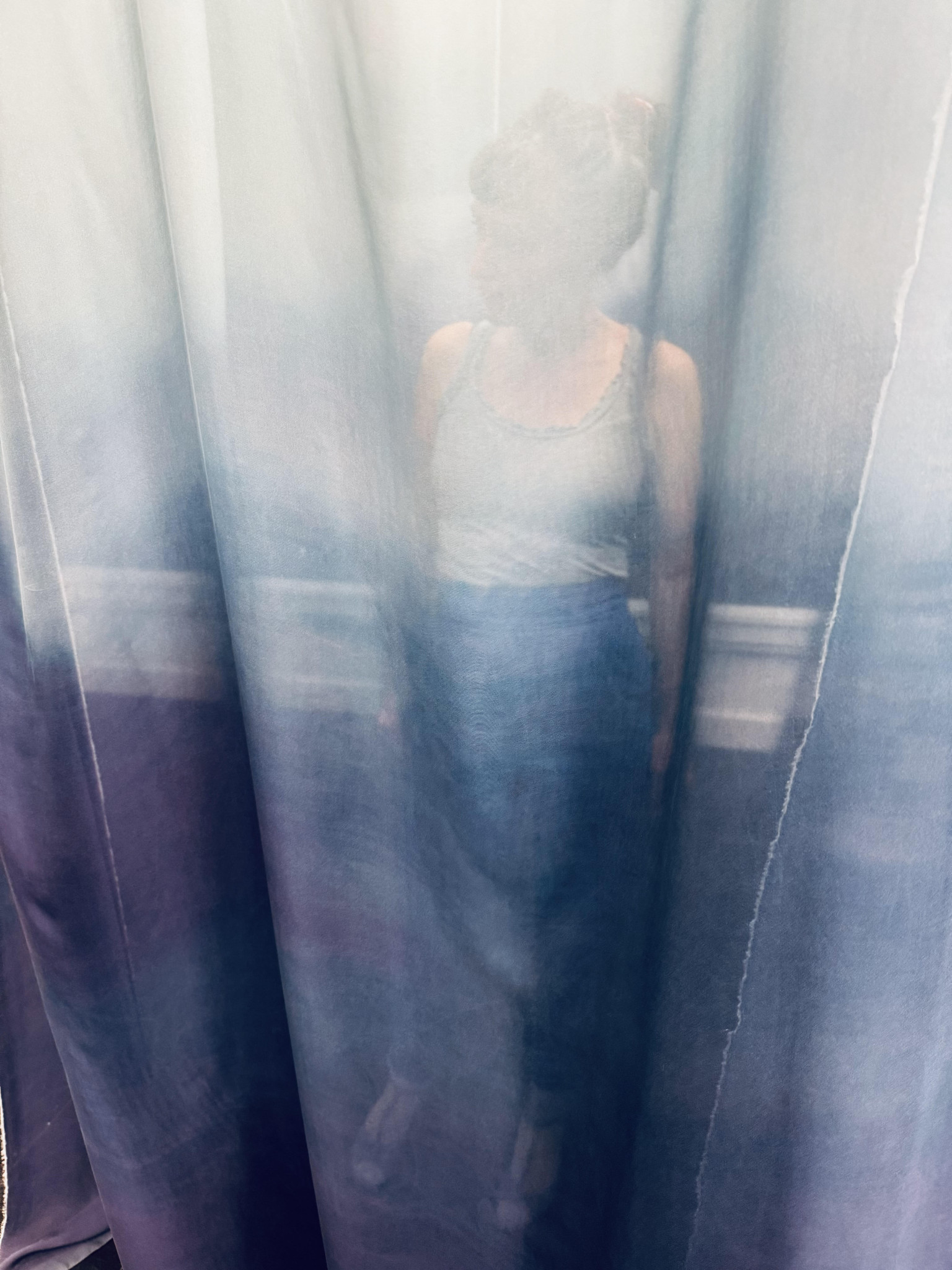
»Resonance – music is for me an indispensable inspiring resonance. In music, the big emotions fall into place, and the small ones bubble up. My grandfather introduced me to opera as a child – so loudly that my heart jumped in my ears, and I fell head over heels and deeply in love with these grand and dramatic compositions. Through it, I was introduced to the big emotions in the world – in music there was room for them in a way that I had not experienced anywhere else before.«
Astrid Kruse Jensen (b. 1975) is a Danish visual artist living in Copenhagen. Throughout her artistic career, she has been preoccupied with photography and its relationship to memory. With her poetic shifts of reality, she explores the borderland between the apparent and the hidden, between the real and the imaginary, between past and present. She has exhibited widely both in Denmark and internationally, with exhibitions in galleries and museums – from solo to group exhibitions in Slovenia, Lithuania, Poland, Sweden, Iceland, Finland, France, Belgium, the Netherlands, Germany, Spain, Italy, India, China, Korea, Ghana, Canada, the USA and the UK. In Denmark, her works have been exhibited at, among others, the Brundlund Castle Art Museum, Esbjerg Art Museum, Heerup Museum, Rønnebæksholm, Brandts, Aros, Kunsten, Skagen Museum, Willumsen Museum, Sorø Art Museum, Odsherred Art Museum and Johannes Larsen Museum. Astrid Kruse Jensen is represented by Martin Asbæk Gallery in Copenhagen and Wetterling Gallery in Stockholm & Gothenburg.
The red Husqvarna sewing machine stood centre stage, buzzing relentlessly like a tireless drummer locked in an endless blast beat. »Järnrör«, »Cyanid«, »Tramadol«, Tehran hissed between squealing guitar amplifiers and in front of videos showing idyllic Swedish roadside art and images of the many Husqvarna weapons. For behind Husqvarna’s innocent garden and household products lies an industry of death – a prism of growing up in Jönköping and an illusion of Swedish neutrality, which the Swedish-Iranian artist Tehran underscored with the concert Husqvarna The Movie.
Each track came with a new video bathed in sewing machine, guitar and growl vocals. But the song »Delam gerefteh« was more subdued, not least because Tehran leaned back in a chair, cigarette in mouth, letting the music and the video speak for themselves.
The evening’s second name, the Canadian-Iranian Saint Abdullah, spent the entire concert with a marker pen in his mouth, occasionally using it to jot down the course of the music. Saint Abdullah’s performance was like watching a radio operator adjusting a crackling signal – from birdsong to acoustic guitar, from news broadcasts to field recordings, the sampler at the centre of the table became a focal point for fragments of faith, culture and migration.
Where Tehran’s concert felt like a rehearsed, healing ritual, Saint Abdullah’s unfolded as an impulsive dialogue between a sea of sound bites. Both performances revolved around Iranian heritage. Not a heritage that necessarily needs to be understood, but one that appears as a mosaic of contradictions – and can only truly be processed in one place: in music.
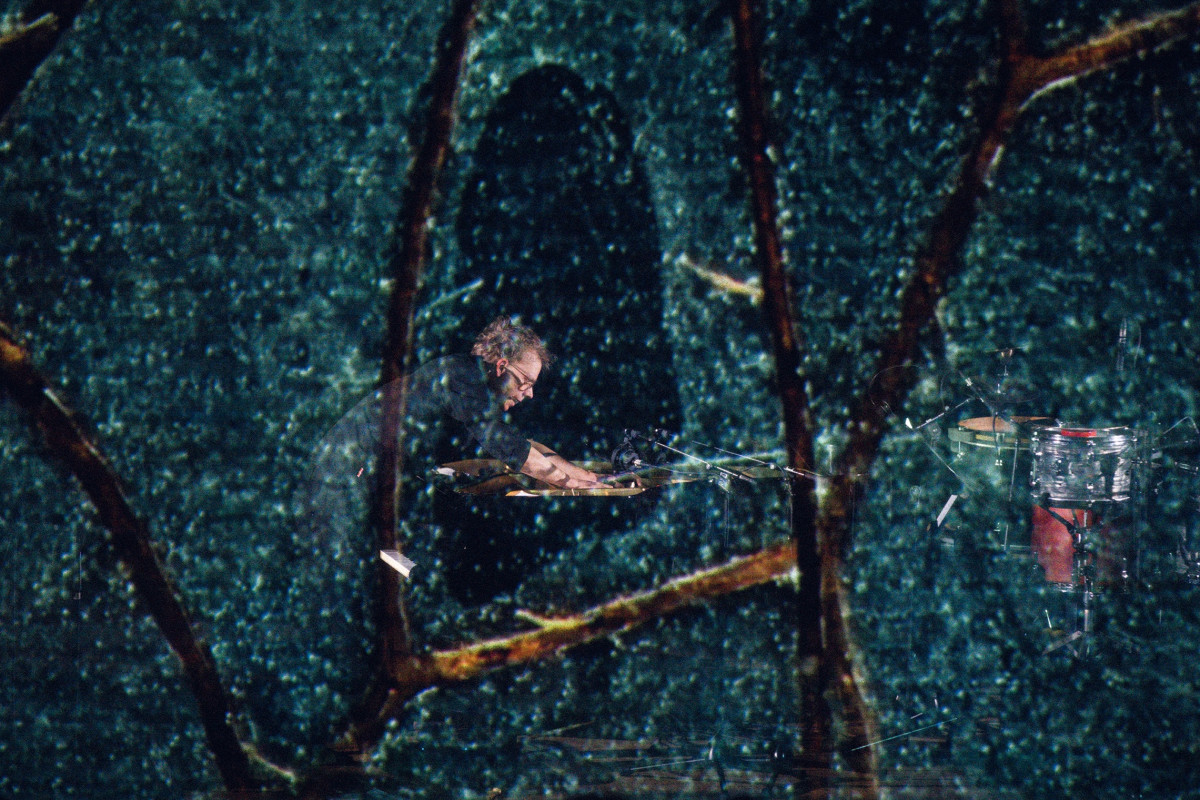
Some dream of discovering life in distant solar systems. Others – like Knud Viktor, Jacob Kirkegaard and now also Simon Toldam – turn the telescope around and uncover unknown life in the immediate yet hidden nature surrounding us. So what did Toldam, the 46-year-old pianist from the experimental jazz milieu, find last night when he turned his gaze toward English photographer Levon Biss’s ultra-close images of beetles, flies and grasshoppers in the world premiere of the hour-long audiovisual trio work Insecta?
First and foremost, he found a varied and inquisitive interpretation of insect life. Behind a transparent screen, Toldam transformed his prepared grand piano into a kind of gamelan instrument, while on either side of him sounds crept and hissed from saxophonist Torben Snekkestad and percussionist Peter Bruun. The production values were high, and the trio – collectively known as Loupe – moved deftly between the concrete and the spherical.
At times, however, there was something old-fashioned about the expression. As a yellow-brown grasshopper gradually took shape on the screen, nanometre by nanometre, the piano’s metallic cymbal-sounds placed it within an Eastern sonic realm. It resonated with exoticism, with old electronic EMS recordings steeped in atonal serialism, and soon Snekkestad let a plaintive Miles Davis-like trumpet drift through the soundscape.
Yet when, with dramatic flair, he blew air through the same instrument or attached a rubber hose and transformed it into a frothing bass monster – while Bruun stroked metal surfaces or pounded the drums in ritualistic patterns – we were out of the past again. And when Insecta finally leaned into the ambient, and Toldam began bending the gamelan tones with his hands inside the open piano, it was as if not only time but also the distance between oneself and the insects dissolved into a trembling dream image. At that point, it suddenly no longer mattered whether there is life on Mars.
English translation: Andreo Michaelo Mielczarek
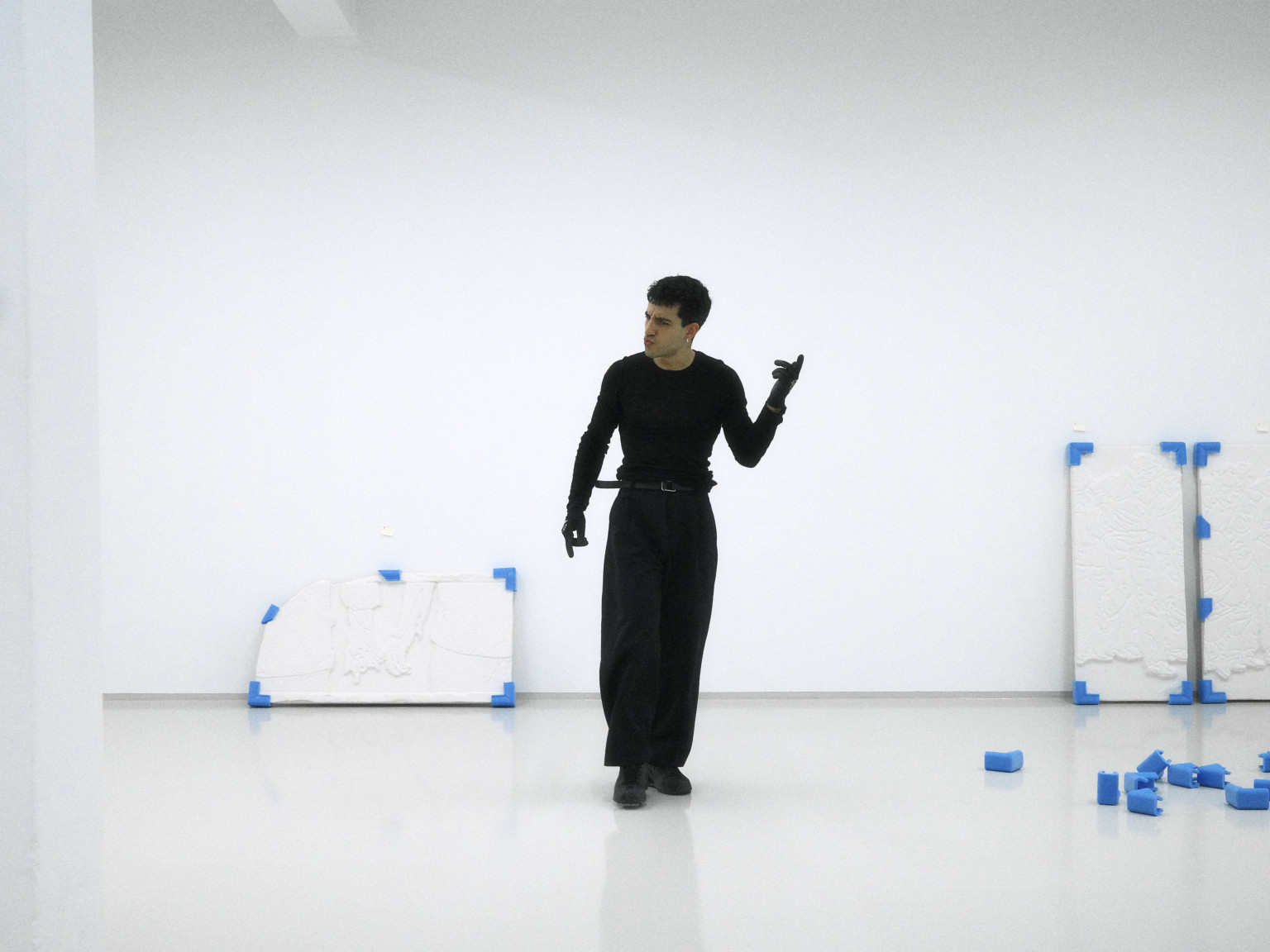
»Music for me is the purest communication! We are constantly trying to understand each other, completely in vain, with our inadequate language, while music speaks pure. I can’t think of a more powerful and influential form of expression. It surpasses visual art, film, theatre, everything. Music is without exception the start of all my work; I often think, if this work were a song, what song would it be?«
ihsan saad ihsan tahir (b. 1995, UK/DK) graduated from the Royal Danish Academy of Fine Arts (2025) and Goldsmiths University of London (2025) and lives and works in Copenhagen. tahir has previously exhibited at, among others, Kunsthal Kongegaarden, Korsør (2026), SKAL Contemporary, Skagen (2025); 13 Vitrine, Lausanne (2024); Kunsthal Aarhus, Aarhus (2023;2024); Collega, Copenhagen (2024); and All All All, Copenhagen (2023). tahir opens a new, large solo exhibition at O – Overgaden (February 20–May 3, 2026).